 NL
NLGreenhouse horticulture in 2035: those who sell flexibility will win
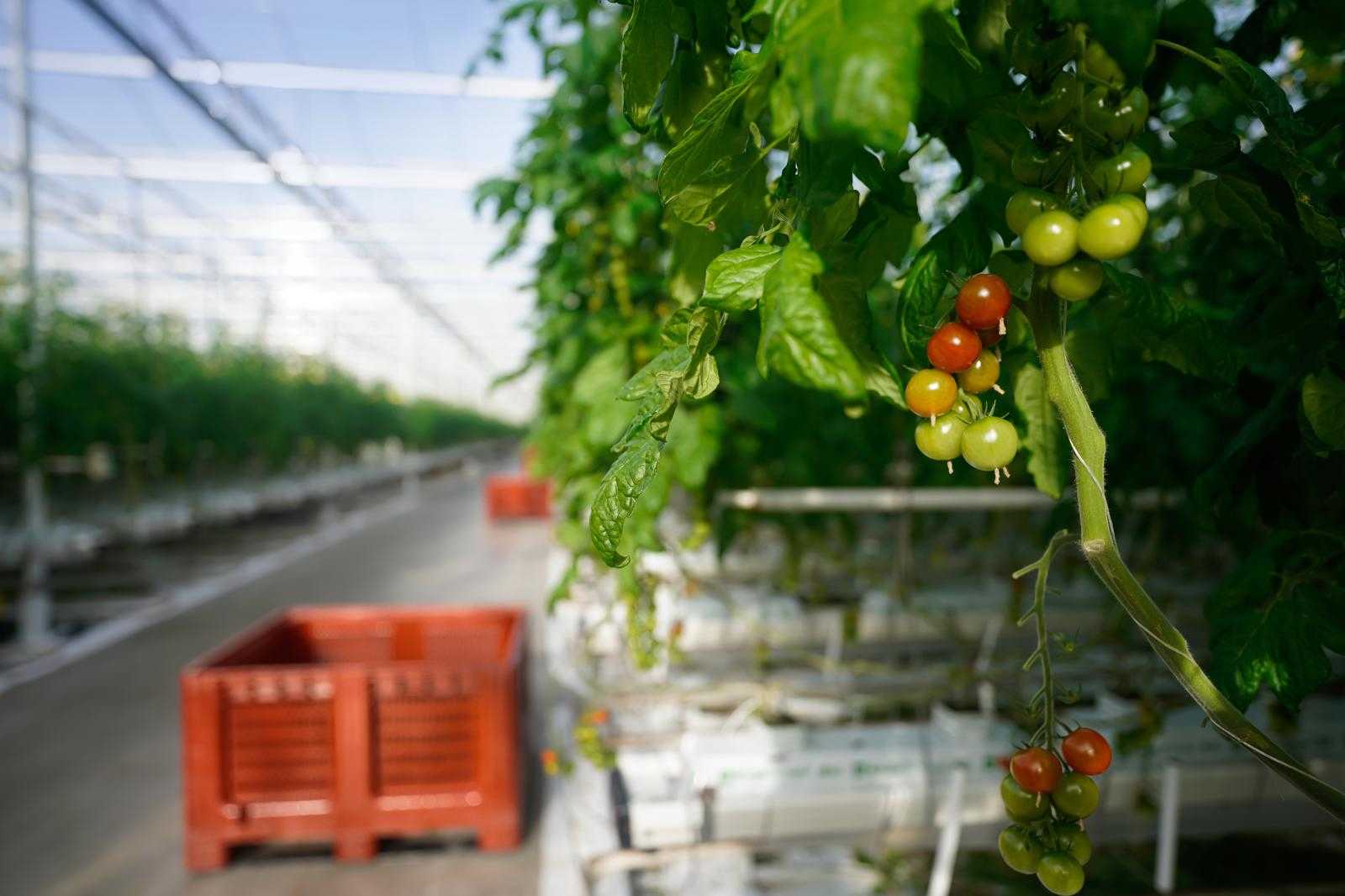
What will greenhouse horticulture look like in the future?
Greenhouse horticulture of the future will still grow tomatoes, gerberas and peppers. But who remains in the business will be determined by something else: energy management. Businesses that manage their energy wisely will maintain their profit margins, financial viability and scope for growth. Those that do not will gradually lose their economic value. Not all at once, but irreversibly.
In greenhouse horticulture, energy has evolved from a cost item to the factor that determines whether your cost price is competitive. Gas prices are fluctuating more wildly than ever. Grid congestion is putting expansion plans on hold. And the difference in energy costs between a well-run and a poorly run business is now in the tens of per cent. That difference doesn’t disappear from the accounts. It shows up in your cost price per kilo or per stem. And consequently, in your position relative to the grower next door.
What happens if you do nothing
Standing still doesn’t hurt on day one. Your crop is growing, your CHP unit is generating power, and your produce is being shipped out. But beneath the surface, the ground is shifting.
Your cost price is rising faster than that of colleagues who are capitalising on their flexibility. They absorb price spikes using their CHP, buffer and battery, and make a profit at the very moments when you’re paying out. In a market where the selling price is the same for everyone, it’s the cost price that determines who will still be in business in five years’ time.
Your grid connection is becoming a ceiling rather than a foundation. Grid congestion means that increasing capacity could take years, if it’s even possible at all. Those who fail to manage their peaks cannot expand, electrify or become more sustainable. Your business is stuck with today’s floor area and capacity.
As well as the cost price, the value of your business also plays a role. When it comes to greenhouse horticulture, banks and potential buyers have long since stopped looking solely at hectares and cultivation plans. They look at the energy situation: how dependent are you on gas, how controllable are your assets, and how predictable are your energy costs? A business with no control over its energy management and without the right connections to the electricity grid and district heating networks is a risk to a financier and a renovation project for a buyer. This depresses the value, or even makes a sale and succession impossible. You can grow crops successfully for years and still leave behind a business that nobody wants to take over.
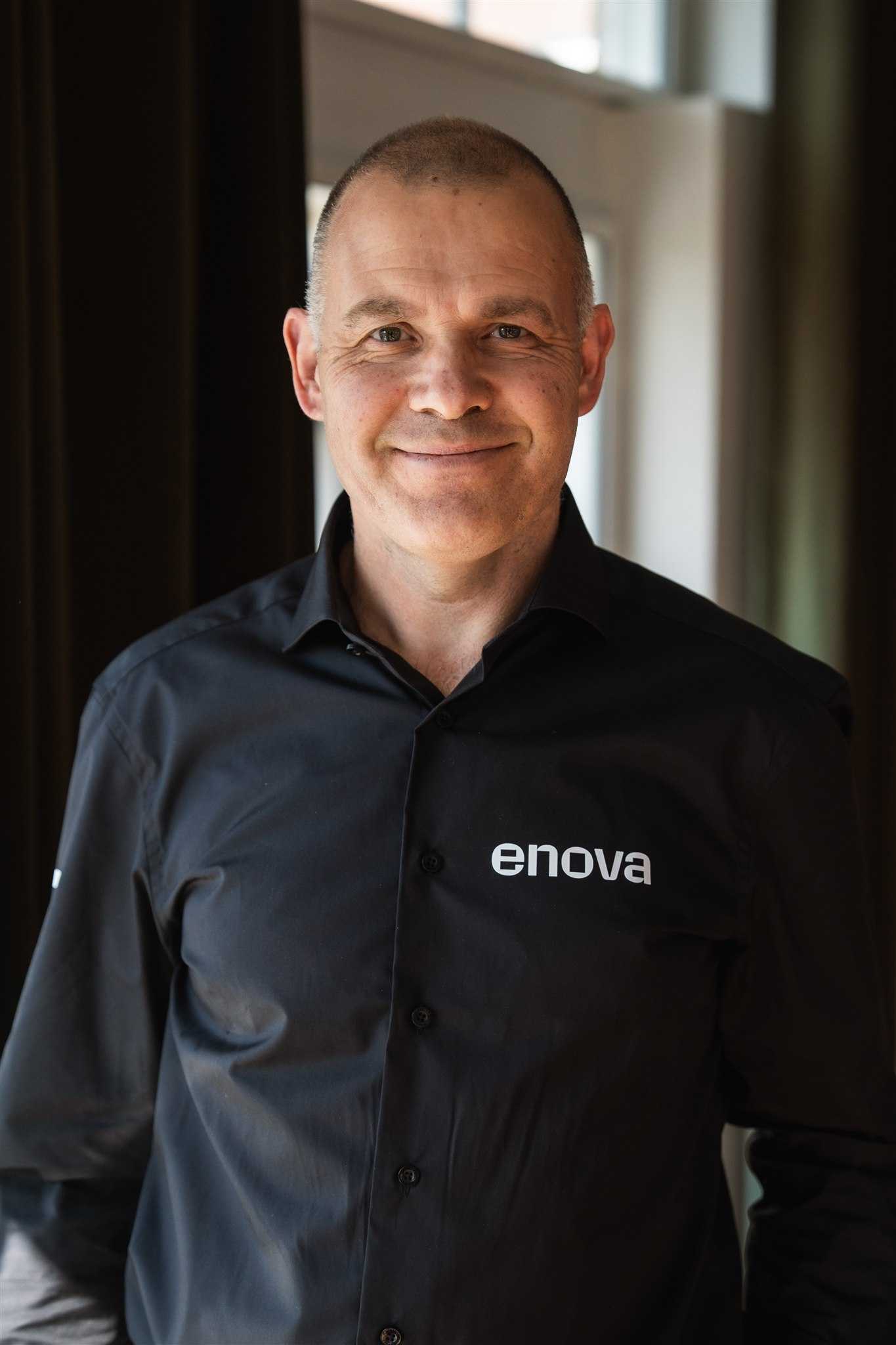
.jpeg)
Companies that are ready for the future have one thing in common: they treat their energy management as a system they can control, not just as a bill that arrives in the post.
What the market leaders do differently
Companies that are ready for the future have one thing in common: they treat their energy management as a controllable system, not as a bill that arrives in the post.
Their CHP system does not operate according to fixed patterns, but in response to market signals. If electricity is cheap or even negative, the heat pump takes over and charges the battery. If the price spikes, the CHP system feeds into the grid and discharges the battery. Crop production remains the priority, always. The climate computer determines what the plant needs. The energy system determines how to meet that need as cost-effectively as possible, and when it is more profitable to supply energy than to consume it.
Flexibility is valuable in the energy markets
That same flexibility has value on the energy markets. TenneT pays market participants who absorb fluctuations in the grid. Greenhouse horticulture is ideally suited to this: controllable assets and a buffer within the process. Heat can be stored; lighting can be adjusted. As an accredited BSP, Enova trades on three markets: day-ahead, intraday and the balancing power market. Because we manage a large pool of assets, we spread volume and risk in a way that an individual company cannot. As a result, the returns per MW are higher than when your asset operates on a single market, and higher than for parties that are not active on all three markets.
And increasingly, this involves a battery. For businesses with a high-demand connection of 1 MW or more, the business case is clear: with effective management across multiple markets, we see a payback period of three years. We do not sell these batteries ourselves; we work with all the major suppliers. What we do is ensure the battery generates a return every day and smooths out your peaks, so that you remain within your contracted capacity and retain room for growth on a connection that, on paper, is at full capacity.
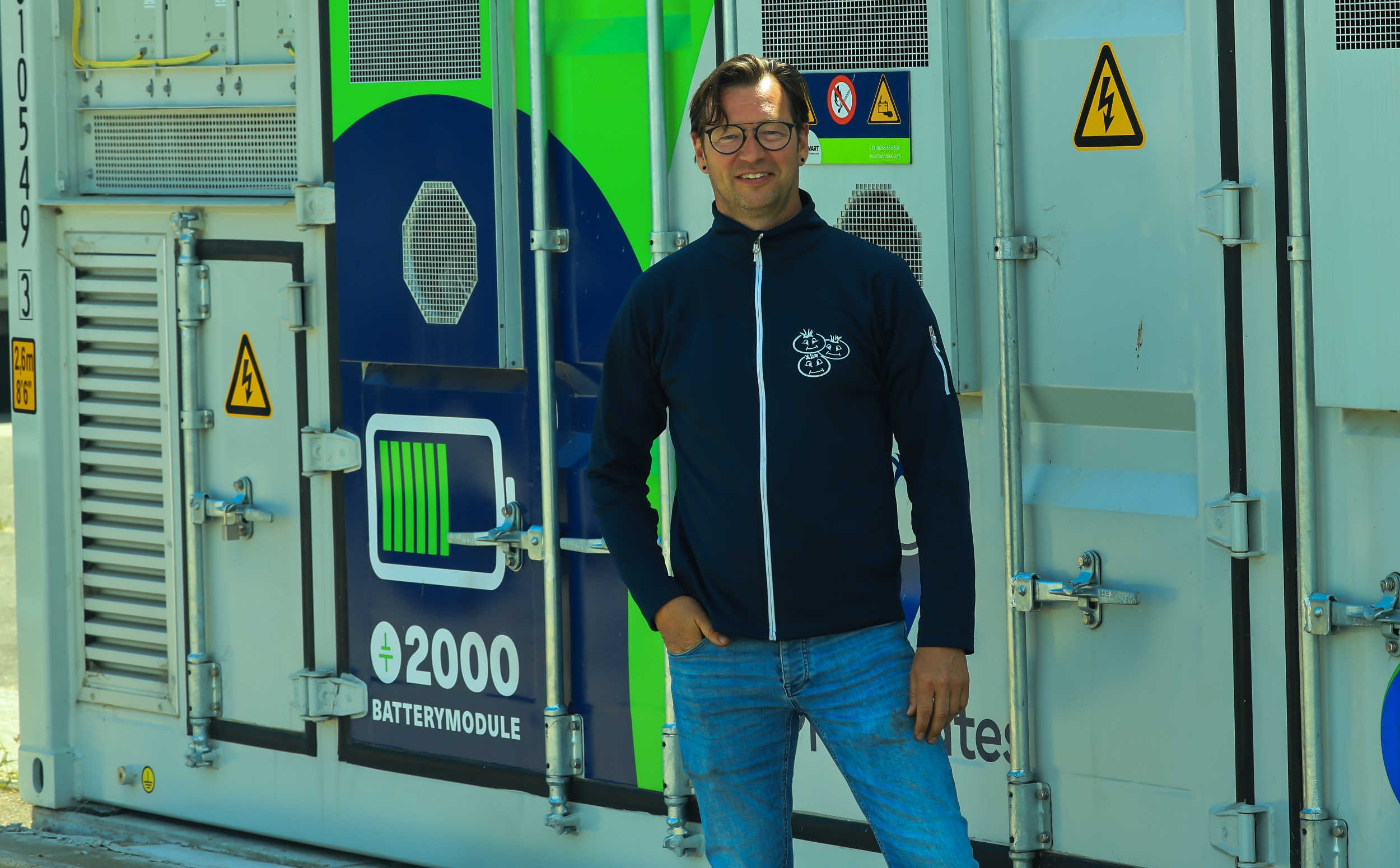
"We see Enova as an extension of our business."
Technology alone is not enough
This is where many businesses go wrong. Buying a heat pump is not a strategy. Nor is installing a battery. The return on investment lies not in the hardware, but in the management: how accurate your price expectations are, how quickly you make adjustments, and how well you understand the limitations of your cultivation process.
This requires two things simultaneously. A long-term strategy: which assets, which contracts, which connections and which markets suit your business and your cultivation. And day-to-day implementation: taking action every day, making adjustments every quarter of an hour. Most organisations do one or the other. Consultants draw up a plan and leave. Operators tweak the settings without a plan. We do both, with an EMS that makes real-time adjustments and energy managers who act on your behalf every day. We’ve been doing this for twenty years, specialising in greenhouse horticulture, where the energy process is more complex than in any other sector.
The cost will come one way or another
The future of greenhouse horticulture looks bright for those who adapt. For a well-managed business, volatility is a source of income. Grid congestion is no obstacle for a business that manages its peaks. But for those who sit back and wait, the situation is reversed: every price spike erodes margins, every congestion alert limits growth potential, and every year spent without a firm grasp of the situation reduces the business’s value.
You don’t need to order a battery tomorrow. What you do need to know, however, is where your business stands: what your flexibility is worth, where your cost base is vulnerable, and what it will take to remain competitive in five years’ time. Our energy managers will work this out for you, in concrete terms, in euros, based on your connection, your assets and your crops.
Ready to turn your energy into a revenue model?
Find out what active energy management yields for your business. Calculate your energypotential.

Hey, would you like advice from our team?
Tell us who you are and we'll be in touch.