 EN
EN
 NL
NLWhat is Energymanagement?
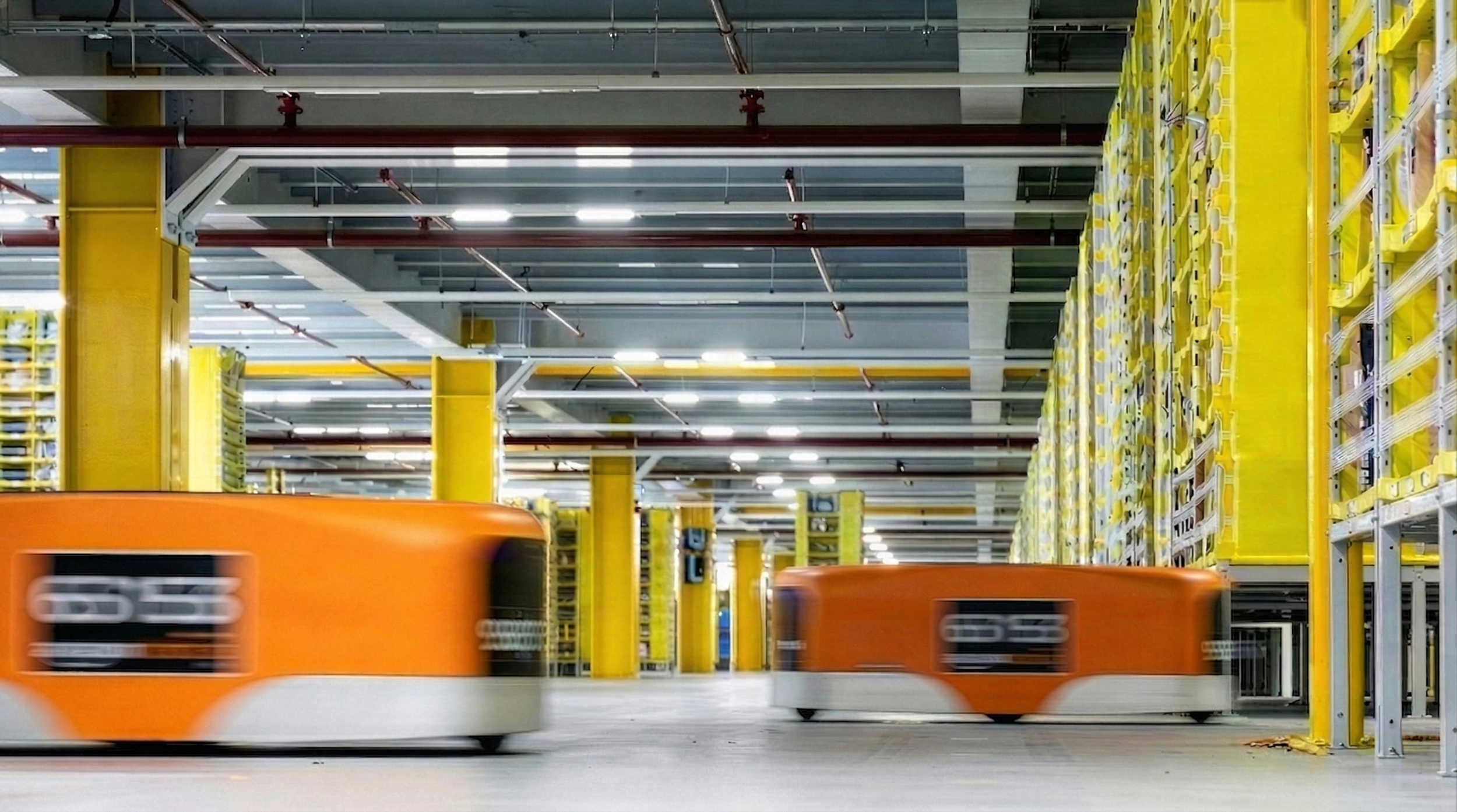
Energymanagement: definition
Energy management involves the systematic measurement, analysis and control of energy consumption within an organisation. The aim is to reduce waste, lower costs and gain greater control over energy costs and energy performance.
For businesses with high-volume energy connections – such as greenhouse horticulture, cold stores, logistics companies, industry or energy hubs – this is no luxury. It is an increasingly important part of business operations.
However, energy management as practised by most companies today often leaves a significant portion of the potential untapped.
What energy management should do
Traditional energy management focuses on three things:
- Insight into consumption – measured via meters, EMS systems and dashboards.
- Process optimisation – preventing waste and using energy more efficiently.
- Technical optimisations – better insulation, LED lighting, and more efficient installations and equipment.
This works. But it leaves money on the table.
Why?
Because energy costs today are determined not only by consumption, but also by spot prices, imbalance charges, congestion costs and capacity tariffs.
At the same time, energy assets such as CHP units, BESS systems, cooling installations, heat pumps and electric boilers represent increasing economic value.
The gap most companies don't see
A cold store or freezer facility offers flexibility that can be utilised at times when electricity prices are favourable. By pre-cooling intelligently or shifting consumption, costs can be reduced without impacting operations.
A greenhouse horticulture business often has a CHP plant. The electricity produced can be used or traded on markets such as EPEX Intraday. But who decides when that happens? And based on what market information?
A BESS can generate revenue from energy trading, imbalance markets and grid support services such as FCR, aFRR and mFRR. The return is determined not only by the battery itself, but primarily by the quality of market control.
An e-boiler makes it possible to switch heat production between electricity and gas. This allows price differences between the two energy sources to be actively exploited.
A solar or wind farm offers opportunities for optimising PPA structures and curtailment strategies.
An energy hub can collectively utilise available grid capacity, storage and generation to reduce congestion problems and enable new revenue models.
Without active market management, much of this value remains untapped.


"We see Enova as an extension of our business."
Passive energy management vs. active energy trading
Simple difference. Big impact:
Energy management isn't about getting a good deal. It's about what happens after.
Most companies think: if I sign a good energy contract, my energy costs are sorted.
That’s partly true.
But a significant portion of the costs isn’t just down to the price of energy. Imbalance charges, network charges and the way flexibility is utilised also affect the final outcome.
With a traditional energy contract, a supplier pays a premium to hedge against price and imbalance risks.
With a trading contract and active nomination, a company can manage these risks itself and benefit from current market prices.
For companies with a predictable consumption or generation profile, this can make a significant difference.

Energy isn't a side issue. It determines your margin.
What an EMS delivers — and where it falls short
Most energy management systems (EMS) operate on a monthly licence basis. That makes things straightforward.
An EMS collects data, visualises performance and provides insight into energy consumption.
But data alone does not generate a return on investment.
The difference lies not in the data, but in the decisions made on the basis of that data.
That is why Enova works with both an EMS and a personal energy manager who is active on the professional energy markets on a daily basis and is familiar with the client’s operational reality.
Proven results
Most energy management systems (EMS) operate on a monthly licence basis. That makes things straightforward.
An EMS collects data, visualises performance and provides insight into energy consumption.
But data alone does not generate a return on investment.
The difference lies not in the data, but in the decisions made on the basis of that data.
That is why Enova works with both an EMS and a personal energy manager who is active on the professional energy markets on a daily basis and is familiar with the client’s operational reality.
Conclusion: energy management is the foundation. Active energy management is the profit.
Measuring is good. Optimising is better.
But the greatest value is created when energy assets, flexibility and market access are actively leveraged to reduce costs and increase revenue.
Enova helps companies with high energy requirements, energy hubs and investors not only to understand their energy consumption, but also to maximise the return on their energy assets.
Ready to turn your energy into a revenue model?
Find out what active energy management yields for your business. Calculate your energypotential.

Hey, would you like advice from our team?
Tell us who you are and we'll be in touch.