 EN
EN
 NL
NLEnergy isn't an afterthought. It defines your margin
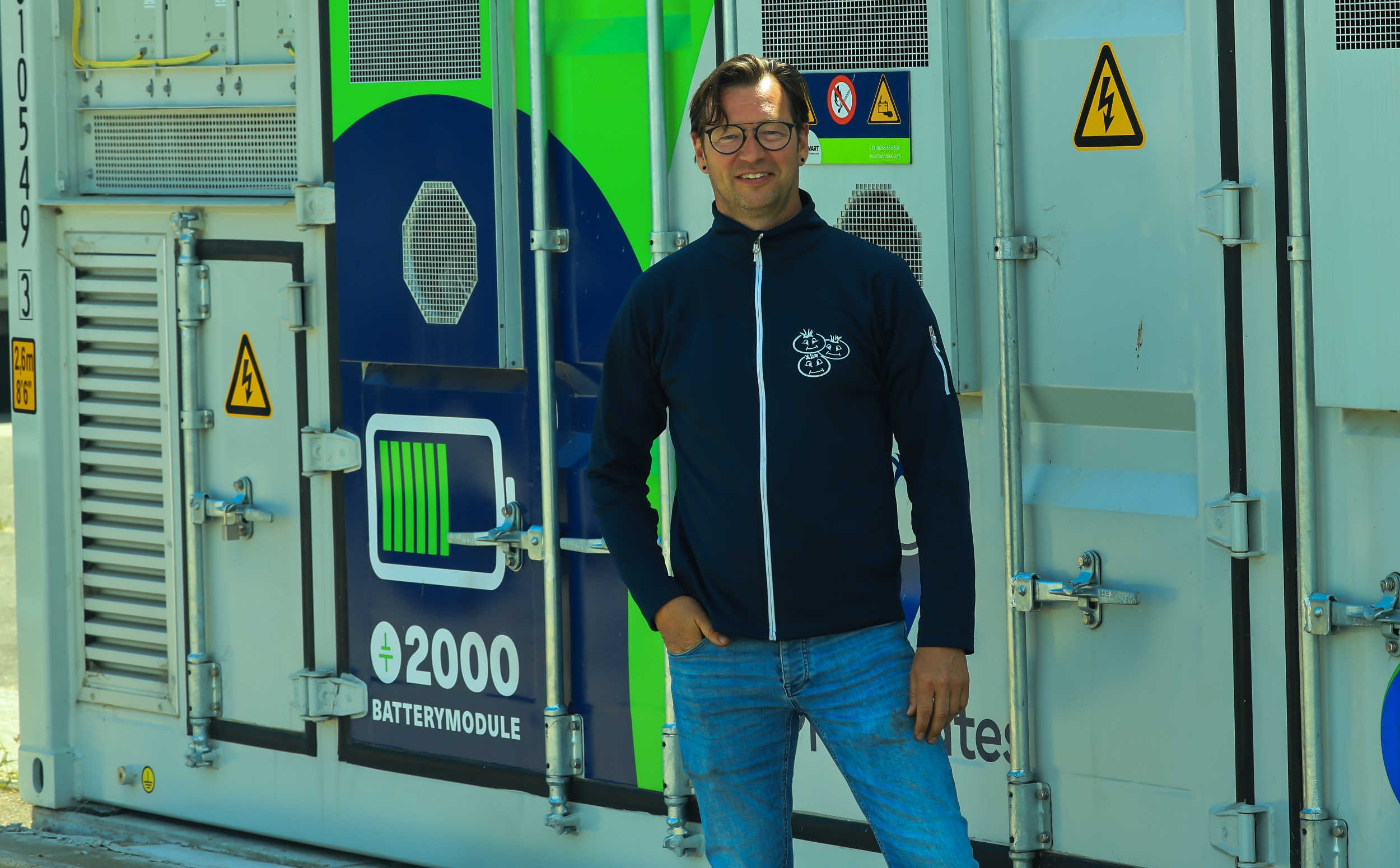
Battery storage, CHP, geothermal & energy management
At van Heijningen Tomatoes, precision is everything: in cultivation and in energy. The family has been growing tomatoes for over 150 years, today operating 15.5 hectares of glasshouses across four sites. Between 90 and 95% of produce is exported to the UK and Ireland. Through the deployment of CHP (combined heat and power), geothermal energy, OCAP CO₂, solar PV, and battery storage, the business demonstrates that profitable decarbonisation is entirely achievable.
Every decision is focused on optimising energy costs per square metre of tomato production. Historically, CHP units formed the backbone of heat supply, partly because surplus electricity could be sold back to the grid at a favourable rate. As energy markets became more volatile and subsidies gradually phased out, the core principle remained unchanged: "invest in energy assets that reduce the cost price per kilo of tomatoes."
The energy transition unfolded in stages: from boilers to CHP, then on to an OCAP connection, and ultimately geothermal. Although geothermal initially proved more expensive, the business made a deliberate long-term investment to stabilise or reduce energy costs over time.
As price spikes on the grid increased, the need for peak shaving and greater self-sufficiency became clear. The decision was made to combine battery energy storage with solar PV. Despite initial scepticism about the value of solar in a growing operation, the panels now play a meaningful role in reducing grid dependency during peak pricing periods.
Through careful decision-making and strategic capital allocation, the business is now far better positioned to manage energy costs and has significantly reduced its cost price per kilo of tomatoes.
The challenge
Energy markets are volatile, grid connection costs are rising, and CO₂ for crop growth is becoming scarcer as gas consumption falls. Renewable sources such as geothermal are promising but capital-intensive. At the same time, the grid demands peak shaving capacity, and self-sufficiency has become a business-critical priority.
The solution
When searching for a future-proof energy storage solution, van Heijningen Tomatoes was not looking for just any battery system. They needed a solution that could be remotely operated, that switches intelligently based on technical signals, and that forms part of a broader Energy Management System (EMS). Many suppliers offered attractive proposals and technical drawings, yet had limited real-world experience or only a handful of staff - insufficient for the level of reliability and service required.
Ultimately, the choice fell on a company with a solid background in standby power (diesel generation), years of operational experience, a well-resourced service organisation, and its own proprietary battery system with in-house control software. This ensured single-point accountability and gave the client confidence in long-term support.
Working in partnership with Enova, the entire energy infrastructure was redesigned. An additional transformer room was added, connected to the existing installation and capable of integrating the solar PV system. Through technical optimisation and a successful application to grid operator Westland Infra, switching capacity was increased without requiring an upgrade to the grid connection.
The result: 1.2 MW of switching capacity housed in a robust 26-tonne shipping container with 2 MWh of storage capacity. Foundations, grid interconnection, and control systems are fully tailored to the existing site. The first unit is already operational, and a second has been ordered — ready for further expansion of the site's self-sufficient energy supply.
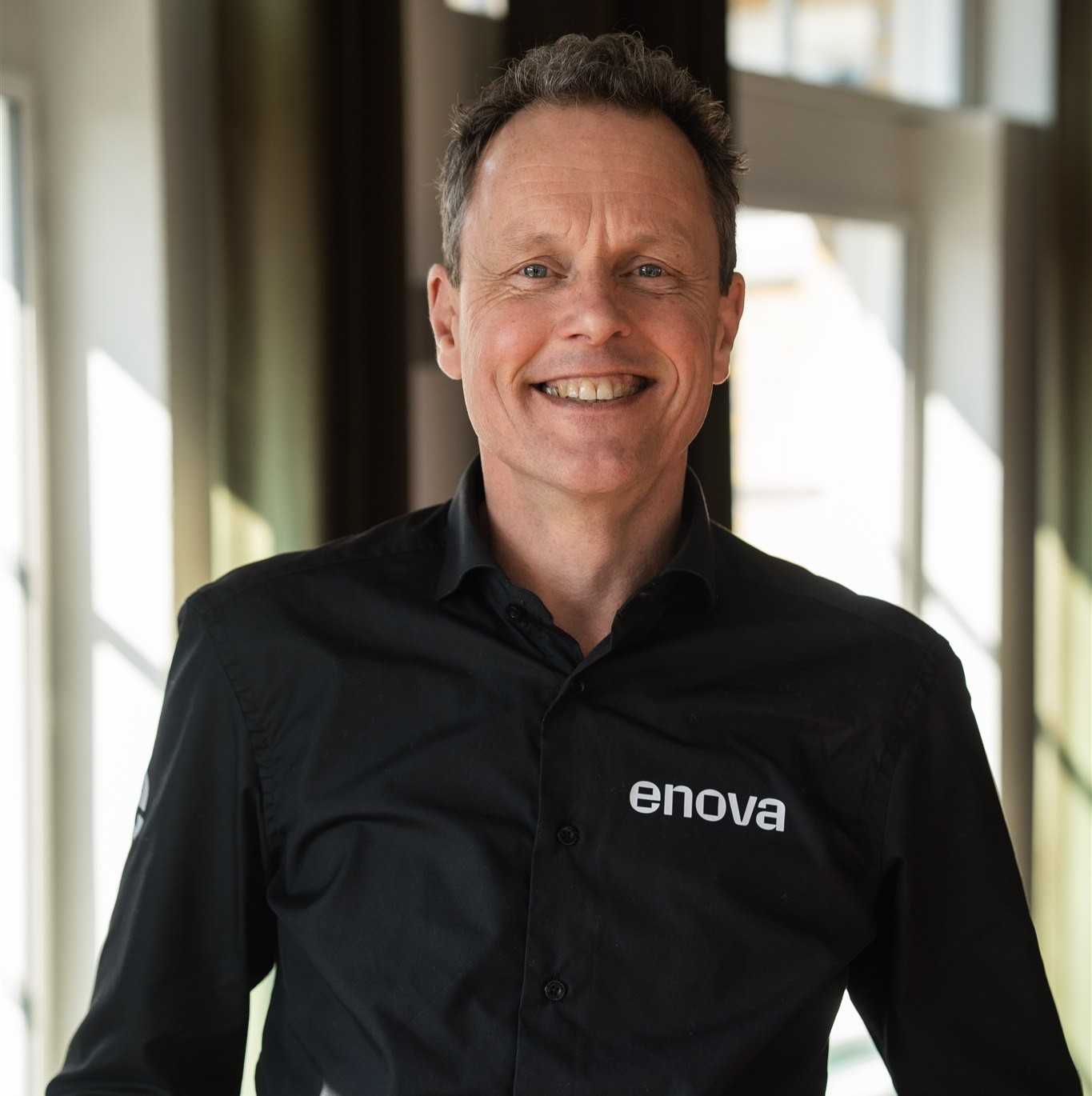
The battery system
- 2 MWh storage capacity with 1.2 MW switching capacity
- Intelligently integrated with existing CHP installations and solar PV
- Additional transformer room for scalability
- Monitoring and dispatch via Enova's energy platform
The partnership with Enova
The grower was looking for a partner who understands the full chain: from hardware through to day-to-day energy management. Enova delivers consultancy, software, and operational execution, including dedicated contacts for energy procurement, sales, and optimisation. "We see Enova as an extension of our own business."
The results
- Battery payback period reduced from 6→3 years
- Lower peak demand charges through intelligent dispatch of battery and CHP
- Two battery units operational, a third already on order at significantly reduced cost
- Energy management outsourced to a specialist team
Advice from John, speaking as chairman of the growers' association
"Take ownership of your own energy supply chain. And work with parties who treat energy as their core business. Only then can you maintain both control and profitability."
Ready to explore intelligent energy management?
Get no-obligation advice on the possibilities for your business. Get in touch with our specialists.
Hey, would you like advice from our team?
Answer a few short questions so our team can get in touch.